

It varies in frequency and duration, ranging from a few seconds to several minutes. Most of these unpleasant effects are temporary and go away once alcohol leaves the system. Treat them with the care they deserve, and they’ll continue to serve you well throughout your life. We offer medical detox, a full range of evidence-based programs, and use a holistic approach that supports your body, your mind, and even your vision. It leaves you with questions about the future and whether you’ll be able to see if you quit alcohol use, or if it’s already too late.
Hangover-Related Vision Issues
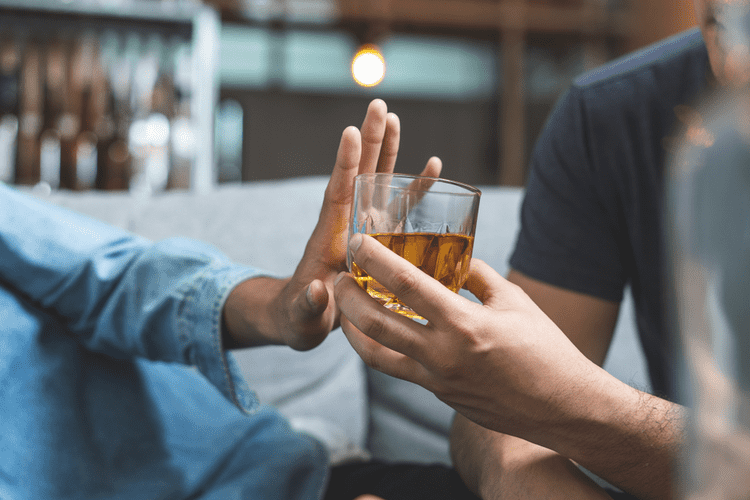
This article explores what happens to your eyes when you drink alcohol, why these changes occur, and what long-term effects alcohol use can have on vision and eye health. When your optic nerve, brain, and other eye structures are constantly feeling the effects of alcohol, there’s a greater risk of damage. Your eye muscles may not function correctly, or you may not see as clearly as you once did, or even begin to experience blindness due to drinking alcohol excessively. It can affect eye muscles and change how the brain processes images. Long-term or excessive alcohol use increases the risk of eye damage and disease.
Eye twitching
This happens because alcohol affects the eye muscles, making it harder to focus properly. Dehydration caused by alcohol also reduces tear production, leading to dry eyes and temporary visual disturbances. Alcohol is known to affect various systems in the body, including the nervous system, liver, and cardiovascular system. However, one area that is often overlooked is its impact on eye health. From short-term blurriness to long-term vision deterioration, excessive alcohol consumption can have serious consequences for eyesight.
This condition can be painless and progressive, and typically affects both eyes. Alcohol consumption impacts every function in the body, including vision. Keep reading to learn more about how alcohol and eyesight are related and how to avoid complications from alcoholic eyes. The retina is the part of your eye responsible for how you process signals from light. Excess alcohol consumption cuts off the blood supply to the retina because it constricts the blood vessels. Over time, poor circulation can lead to permanent damage like vision loss in certain areas, appearing like blank spots in your vision.
How Does Alcohol Impact Your Eyes?
- Now, the disease has become rarer and is often only seen in people suffering from alcoholism.
- It is important to always consume in moderation and to seek care if you exceed your limits.
Several studies suggest a link between alcohol consumption and AMD, but the relationship isn’t entirely straightforward. Over time, this can lead to reduced uptake of crucial eye-supporting nutrients. Alcohol impairs the communication between neurotransmitters in the brain, affecting how the brain processes what the eyes see.
What are Alcoholic Eyes?
We hope you’re enjoying the latest health care news coverage and featured content specifically for optometrists. If you have a strong family history of AMD or have already been diagnosed, it may be best to limit or avoid alcohol altogether. Sticking to low amounts is likely the safest approach if you drink occasionally. Alcohol can impact blood circulation and increase inflammation, which may speed up AMD progression.
Alcohol abuse can take a toll on your eye health.
The study is significant, as there are no current treatments for GA. AMD is a major cause of blindness, and experts predict the prevalence of AMD to increase by 47% over the next 20 years due to population aging. If you are struggling with alcohol abuse or addiction, a professional alcohol detox program can assist you on the road to sobriety. Remember that it’s okay to ask for professional help and support when battling an addiction. Here at Coastal Detox, we offer detox programs Sober living home for alcohol addiction in Stuart, FL, along with opioid detox, heroin detox, and fentanyl detox. Instead, eye floaters are usually a common and harmless condition resulting from changes in the vitreous, a gel-like substance that fills the back of the eye.
Optic nerve damage is one of the key ways alcohol consumption damages your eyes. Clinicians may use various examination and imaging methods to detect damage to the optic nerve that can result from excessive alcohol intake. Heavy drinking drains your body’s natural reserves – which may result in optic neuritis. This condition inflames the optic nerve, leading to loss of central vision and blurry vision. Alcohol has been linked to age-related macular degeneration (AMD), a disease that affects the central part of the retina, responsible for sharp vision.
But if you exceed the recommended guidelines of alcohol consumption and are often binge drinking, you could be putting your vision and eyesight in serious danger. Low to moderate alcohol consumption may prevent some eye diseases such as central retinal vein occlusion (RVO), the blockage of eye veins. Short-term effects of alcohol on vision clear on their own as you sober up. However, long-term conditions require treatment by ophthalmologists. Like double vision, if your bloodshot eyes do not revert back to normal after a night of drinking, then it might indicate a more serious issue and require medical attention.
Alcohol Blindness Symptoms
Visual hallucinations are another symptom that can occur during alcohol withdrawal. These hallucinations can be very distressing and may involve seeing non-existent patterns, objects, or lights. This condition involves changes to the vitreous humour, the gel-like substance inside the eye.
Though rare, deceitful alcohol makers can use methanol in place of alcohol as they physically appear similar. However, a small amount of methanol consumption can lead to permanent vision loss if diagnosed late. The effects of alcohol on vision can be short-term (appear immediately after drinking and disappear after sobering up) or long-term (after consuming alcohol for an extended period). Maintaining eye health and preventing long-term damage requires an understanding of the relationship between alcohol and vision. While chronic and excessive alcohol use can lead to severe ocular consequences, early detection and treatment can reverse or limit the damage in many cases. Possible treatments include corrective lenses or glasses to correct blurred or distorted vision and use of eye drops to address bloodshot eyes.
Neurotransmitters are necessary for the brain to communicate with the rest of the body and vice versa. alcohol and vision loss A delayed communication between the brain and the eyes causes the muscles in the eyes to weaken and lose coordination. Methanol reacts with normal biological eye processes, leading to permanent damage of vital nerves that send images to the brain.